1D vs 2D Barcode Scanners: What's the Difference and Which One to Choose?
Today a barcode scanner is essential in every business — whether in warehouse management, retail or manufacturing. Before choosing a device, it pays to understand the difference between 1D and 2D barcode scanners and which one fits your workflow best.
What is a 1D barcode?
A 1D barcode, or linear barcode, consists of black and white stripes that encode information horizontally.
Typical examples:
-
EAN-13, UPC, Code 128, Code 39
These are widely used in retail, on price tags and product packaging.
1D scanners use a laser or LED light to scan the code line by line.
✅ Advantages:
- Fast and accurate for scanning standard products
- Affordable price
- Well suited to checkouts and smaller warehouses
❌ Drawbacks:
- Reads in one direction only (horizontal)
- Cannot read QR codes or damaged labels
What is a 2D barcode?
A 2D barcode (two-dimensional code) stores information both horizontally and vertically.
Examples:
- QR Code, Data Matrix, PDF417, Aztec Code
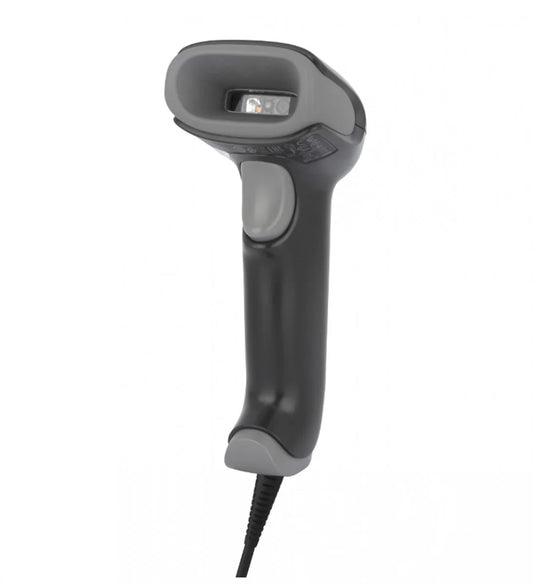
2D scanners use an image sensor (imager) that "photographs" the code and decodes it instantly.
✅ Advantages:
- Reads all codes (both 1D and 2D)
- Works from any angle, including phone screens and damaged labels
- Suited to warehouses, manufacturing and mobile terminals
❌ Drawbacks:
- Higher price
- Somewhat more complex maintenance
Which one to choose?
The choice depends on your business needs:
- If you need a simple, fast solution for your POS, a 1D scanner is enough.
- If you process QR codes, packaging, documents or codes scanned from mobile screens, definitely choose a 2D scanner.
The trend is moving ever more towards 2D technology, as it offers flexibility and future-proofing.
Summary
1D scanners are affordable and practical, while 2D scanners offer more functionality and reliability.
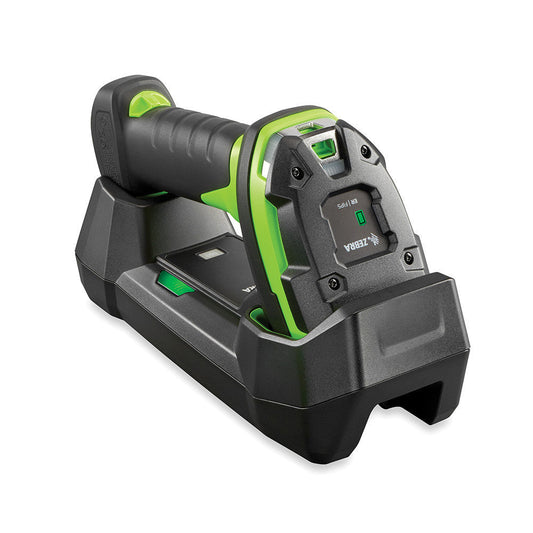
Scanshop.ee stocks both — from simple USB scanners to industrial Honeywell, Zebra and Datalogic models for every workflow.
Browse the range 👉 Barcode scanners at Scanshop.ee
Tags:
Previous
5 Essential Tips for Choosing a Label Printer
Next
The Best Barcode Scanners for Small Businesses in 2025